






Finding the right Point of Sale (POS) system is one of the most critical financial decisions for a growing company. While it might seem like a simple tool for swiping cards, a modern POS is the central nervous system of your business, handling everything from inventory and staff schedules to customer loyalty. Understanding the true cost involves looking past the initial price tag to see the long-term value it brings to your operations.
The Initial Investment: Hardware and Setup Costs
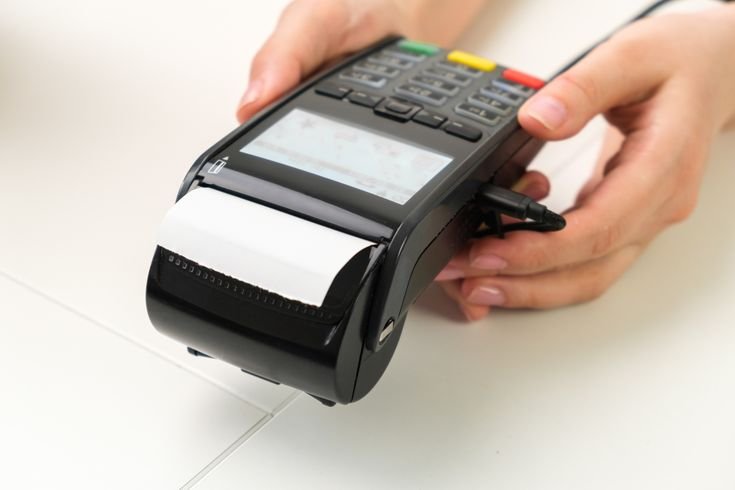
The first financial hurdle for most small businesses is the physical hardware. Depending on your industry, this can range from a simple $50 mobile card reader to a full-blown $2,000 multi-screen terminal setup. Most small retail shops find their sweet spot with a tablet-based system, which typically costs between $800 and $1,500 once you include the stand, cash drawer, and receipt printer. If you are operating a pos system for service business needs such as a salon or a consulting firm your hardware costs are often significantly lower because you may only need a sleek handheld device or a compact countertop terminal to process payments and book appointments.
Navigating Monthly Software Subscriptions
In 2026, the industry has almost entirely shifted to a Software as a Service (SaaS) model. This means that instead of buying software once, you pay a monthly fee to keep the system running and updated. For a basic entry-level plan, you can expect to pay anywhere from $0 to $50 per month. However, as your business grows and you require advanced reporting, multi-location management, or integrated marketing tools, these subscriptions generally scale to between $70 and $150 per month. Choosing the right tier is a balancing act; while free plans are tempting, they often lack the depth of data needed to truly optimize a professional service or retail environment.
Tailoring Technology: POS System for Service Business
Service-based businesses have unique requirements that differ from traditional retail. Instead of tracking thousands of physical products, a pos system for service business models focuses on time management, recurring billing, and client profiles. These specialized systems often include built-in appointment scheduling and automated reminders, which reduce no-shows and directly impact your bottom line. Because these features are integrated, you often save money by not having to pay for separate third-party booking software, making the total cost of ownership much more efficient for service providers.
Long-Term Wealth and Hidden Expenses
To build long-term wealth through your business, you must account for the hidden costs that many vendors leave in the fine print. These can include PCI compliance fees to keep your data secure, costs for adding additional registers, or premium support fees for 24/7 technical assistance. Furthermore, consider the cost of professional installation and staff training. A system that is difficult to learn can lead to costly errors and slower service during peak hours. By investing in an intuitive, high-quality system today, you prevent the expensive tech debt of having to switch platforms and retrain your entire team two years down the road.