







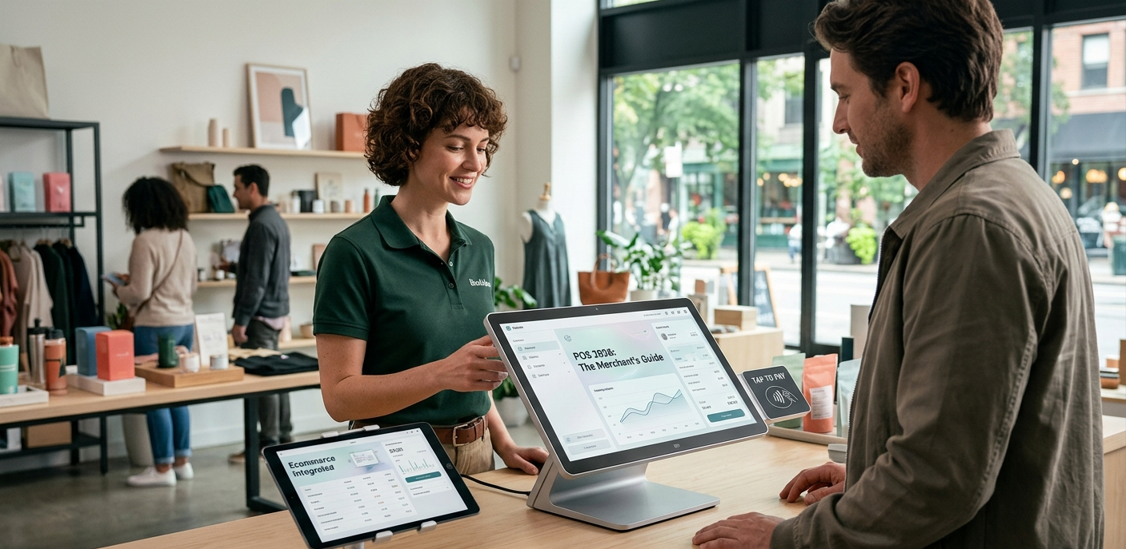
The retail landscape has shifted. It’s no longer just about ringing up a customer; it’s about creating a seamless experience whether someone is walking through your front door or clicking add to cart from their couch. In 2026, your POS system is the central nervous system of your entire business. This guide breaks down what you need to look for to ensure your hardware and software are working as hard as you are.
Unified Commerce: Bridging the Physical and Digital
The biggest mistake a modern merchant can make is keeping their shop and their website in two different silos. You need a pos system for ecommerce that syncs in real-time. If you sell your last vintage vase in-store at 2:00 PM, your website should reflect that it’s Out of Stock by 2:01 PM. Look for systems that offer:
Shared Inventory: One pool of stock for all channels.
Omnichannel Returns: Buying online and returning in-store without a headache.
Customer Profiles: Seeing a shopper’s full history across all platforms.
Mobility and Flexible Checkout
Long lines are the ultimate sales killers. Modern systems allow your staff to leave the counter. Handheld tablets and mobile terminals let you take the checkout to the customer, whether they are on the showroom floor or at a sidewalk sale. In 2026, Tap to Pay on iPhone or Android is a standard expectation, reducing the need for bulky extra hardware.
Data-Driven Decision Making
If your POS only tells you how much money you made today, it isn’t doing enough. A helpful system provides “actionable insights.” You should be able to see:
Predictive Ordering: Software that suggests when to restock based on upcoming trends.
Labor Optimization: Tracking when your store is busiest so you aren’t overstaffed during lulls.
Loss Prevention: Flagging unusual patterns or suspicious voids automatically.
Transparent Pricing and Scalability
Don’t get locked into a contract that penalizes your growth. Look for providers with transparent, flat-rate processing fees. Many modern merchants prefer no-contract monthly subscriptions that allow them to add or remove registers as seasonal demand changes. Always check the fine print for hidden costs like PCI compliance fees or expensive proprietary hardware requirements.
Integration with Your Marketing Stack
Your POS should be your best marketing tool. It should seamlessly capture emails (with consent) and feed them into your loyalty programs. Instead of a paper receipt that ends up in the trash, digital receipts can offer discounts on future purchases or invite customers to leave a review, turning a one-time buyer into a lifelong fan.
Ease of Use (The “Training” Test)
High staff turnover can be a reality in retail and hospitality. You don’t have time for a three-day training seminar every time you hire someone new. The best POS software is intuitive, If someone can use a smartphone, they should be able to process a transaction on your system within ten minutes. A clean, humanized interface saves time and reduces costly errors during a rush.
Final Thoughts for 2026
Choosing a POS system is a long-term investment. Don’t just solve for today’s problems; choose a platform that is ready for the future of AI-driven analytics and expanding global markets. By prioritizing a pos system for ecommerce integration and user-friendly design, you’re setting your business up for a smoother, more profitable year.